




Desiccant
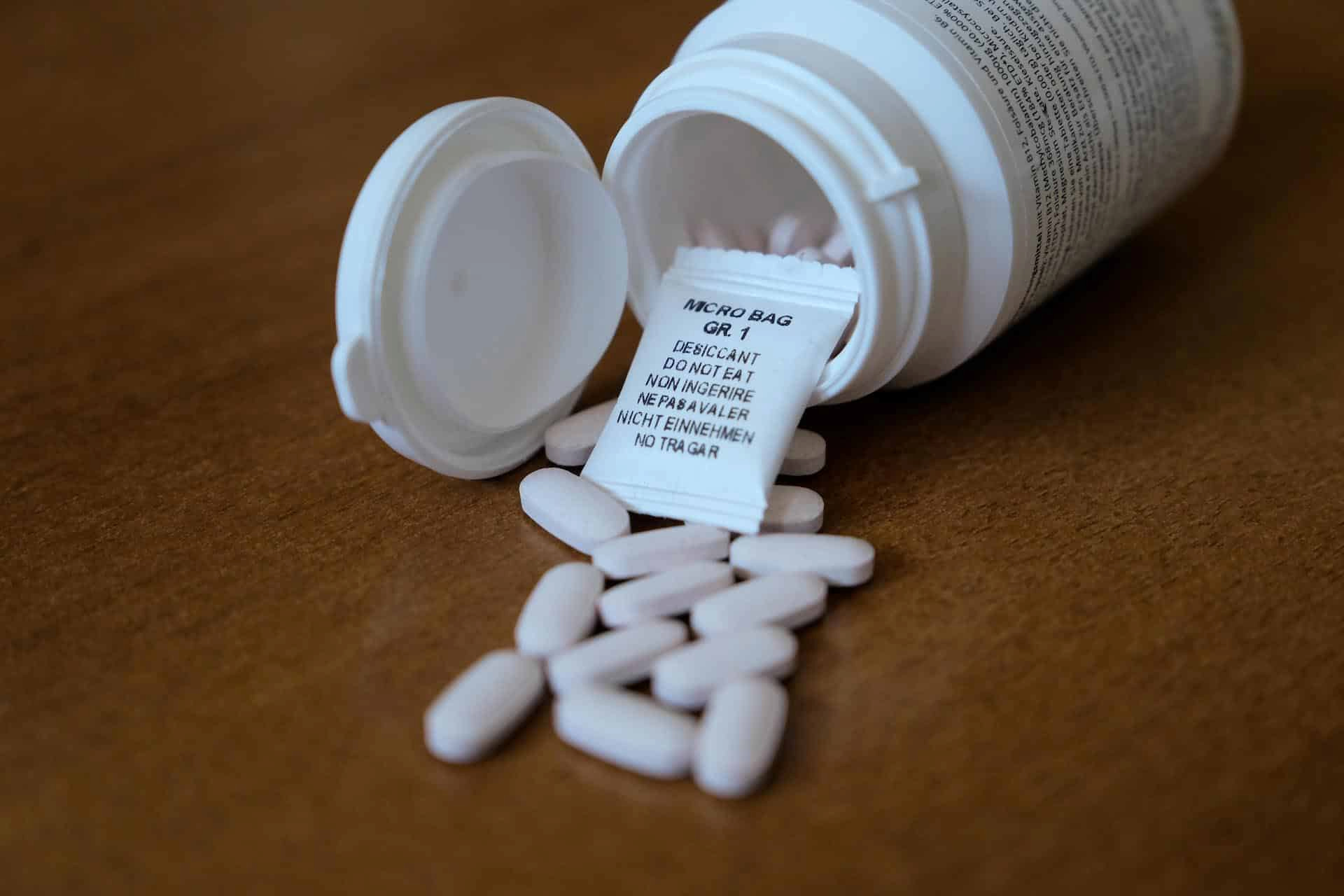
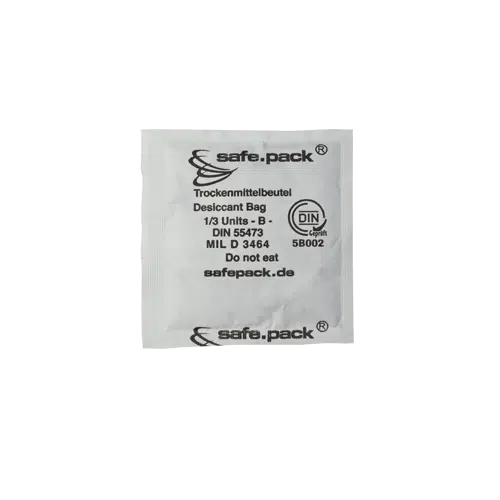
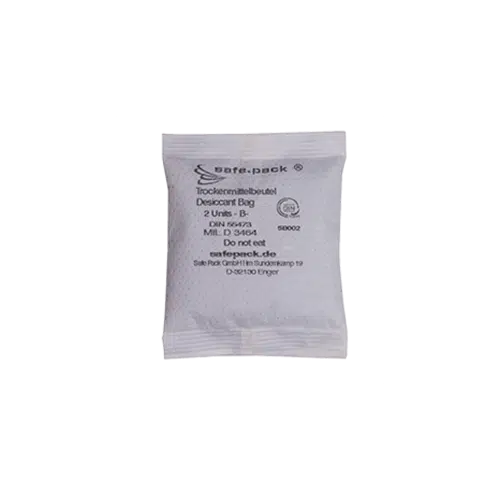
Desiccants are materials that absorb moisture from their environment to protect products from moisture damage during storage or transport. They are typically used in the form of sachets or capsules and are most commonly made from silica gel, clay or calcium chloride.

Desiccants: Properties and Applications
Desiccants are materials used to absorb moisture and protect products from moisture damage. They are available in various forms, such as packets or granules, and are commonly used in packaging to prevent condensation and mold growth.
Benefits of Desiccants
Desiccants can absorb high levels of moisture, which improves the lifespan and quality of products. They are often used in airtight packaging to minimize the risk of corrosion, mold, and other moisture-related damage.
Applications
Desiccants are used across various industries, including electronics, food, pharmaceuticals, and logistics. They protect sensitive products during transport and storage, ensuring they remain in optimal condition.